
Why Do Top Cosmetic Brands Swear by Potassium Sorbate?
| What Is Potassium Sorbate? Potassium sorbate (CAS: 24634-61-5) is the potassium salt of sorbic acid, a naturally occurring compound first discovered in the berries of the rowan tree. Today, it’s produced synthetically by neutralizing sorbic acid with potassium hydroxide, resulting in a white, odorless, and water-soluble powder that blends easily into cosmetic formulas. Unlike some harsh preservatives of the past, this ingredient has a mild profile – it even carries a subtle fruity note that can soften the sharp odors of other raw materials. | 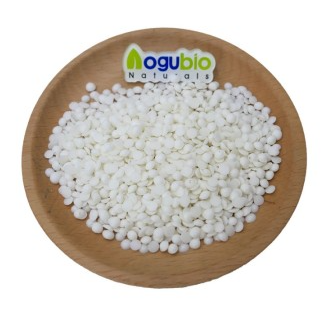 |
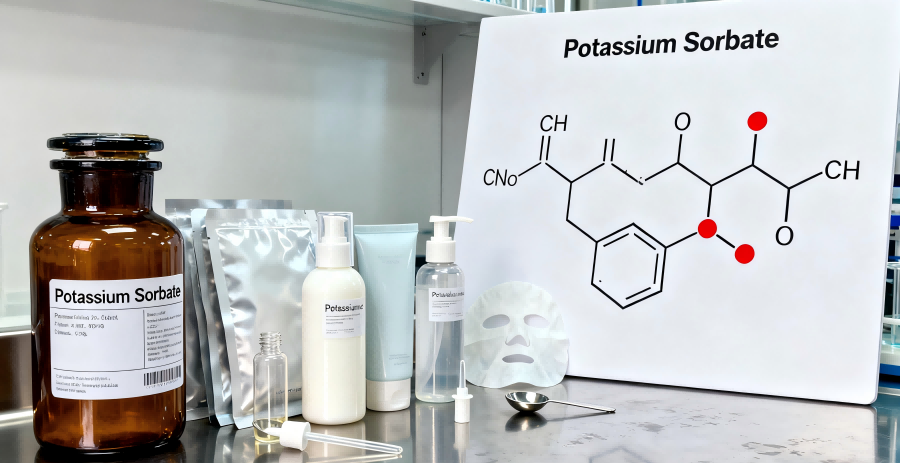
Chemically, its structure (C₆H₇KO₂) features a six-carbon chain with two double bonds, which is key to its antimicrobial power. It works by inhibiting the growth of mold, yeast, and certain bacteria – the main culprits behind product spoilage – without altering the color, texture, or performance of cosmetics. This makes it a versatile choice for both rinse-off products like shampoos and body washes and leave-on items such as face creams and sunscreens.
The Key Advantages That Win Over Top Brands
- Broad-Spectrum Antimicrobial Protection
Potassium sorbate shines as a preservative due to its ability to fight a wide range of harmful microorganisms. It performs best at pH levels below 6.5 (optimal between 3.0–4.5), which aligns with the pH of most cosmetic formulations. A 2019 study published on Semanticscholar.org tested its efficacy in marigold-based day and night creams, finding that it significantly reduced microbial counts during challenge tests – even matching the performance of paraben-based preservatives. This means it keeps products safe from spoilage for longer, extending their shelf life without compromising quality. - Exceptional Safety Profile
Safety is non-negotiable for leading beauty brands, and potassium sorbate delivers. It’s certified as GRAS (Generally Recognized as Safe) by the FDA and JECFA (Joint FAO/WHO Expert Committee on Food Additives). - Versatility and Compatibility
Cosmetic formulas are complex blends of ingredients, so compatibility is crucial. Potassium sorbate works seamlessly with other common cosmetic components and is available in both powdered and liquid forms. Powdered potassium sorbate dominates the market (50–75% share) thanks to its long shelf life (12–36 months under dry storage) and ease of handling. Liquid grades (20–60% solids content) are ideal for industrial blending, sold in batch sizes from 1,000 to 20,000 liters. It’s used at concentrations of 0.025%–0.30% in cosmetics – a range that’s effective yet gentle. - Aligns with “Clean Label” Trends
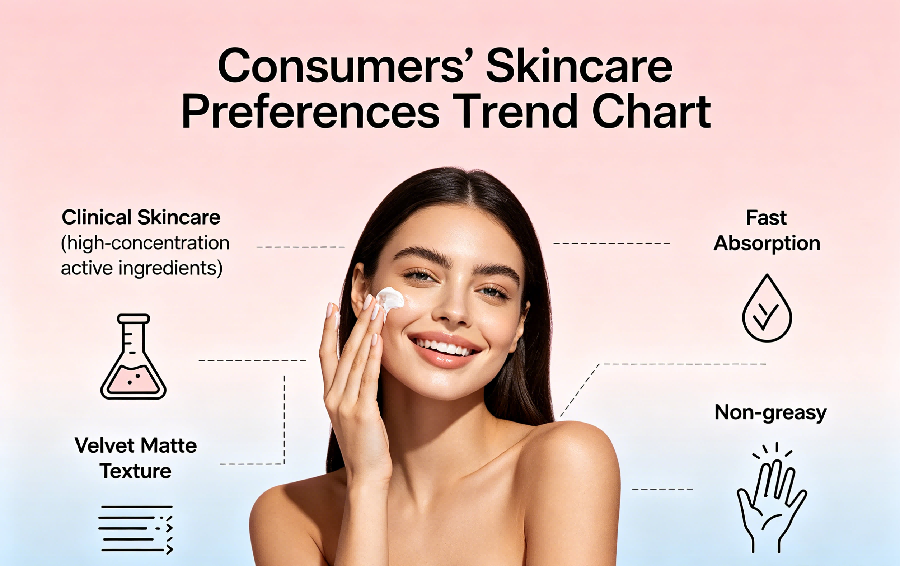
Today’s consumers are increasingly seeking “clean label” products with familiar, less artificial ingredients. While potassium sorbate is synthetically produced, it’s derived from sorbic acid – a naturally occurring compound – which makes it more appealing than some other synthetic preservatives. With the growing demand for paraben-free products (some parabens have faced regulatory restrictions in the EU ), potassium sorbate has emerged as a reliable alternative. Industry research shows it’s present in 35% of cosmetic formulations, from creams and lotions to hair care products.
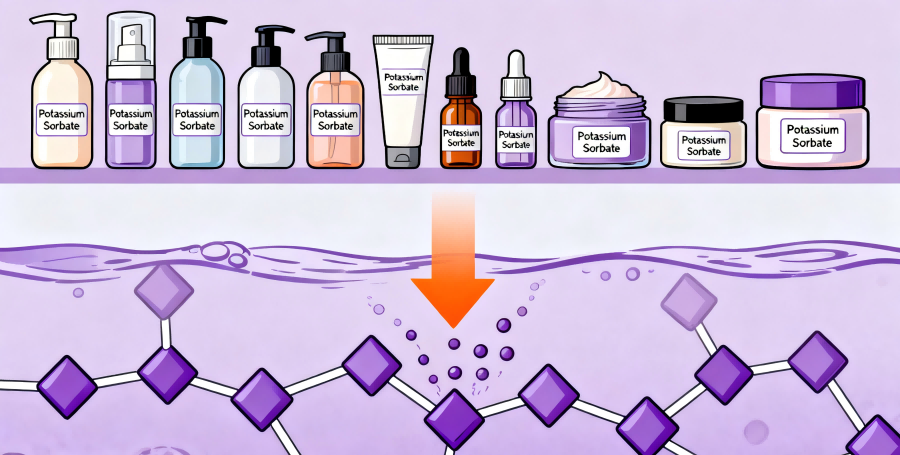
How Top Brands Use Potassium Sorbate in Cosmetics
The versatility of potassium sorbate means it’s found in a wide range of beauty products. Here are some common applications:
- Moisturizers and Anti-aging creams: Prevents mold growth in water-based formulas, ensuring products stay fresh for 12–24 months.
- Sunscreens: Protects against yeast contamination, which is especially important for products stored in warm, humid conditions.
- Shampoos and conditioners: Inhibits bacteria growth that can cause scalp irritation or product spoilage.
- Face masks and serums: Maintains the integrity of active ingredients (like vitamins or plant extracts) by keeping microbial levels in check.
- Body lotions: Works with other preservatives to extend shelf life without affecting texture or fragrance.
According to Industry Research’s 2025 market report, North America accounts for 30–40% of global potassium sorbate demand, driven largely by the cosmetics and packaged food sectors . The Asia-Pacific and North America regions combined make up 65–80% of global production and consumption . With the personal care market growing – the U.S. consumer price index for personal care products reached 179.777 in July 2025 – demand for potassium sorbate is set to rise even further.
The Research Backing Its Use
Top brands rely on rigorous research to justify ingredient choices, and potassium sorbate has plenty of Scientific support:
A 2025 Industry Research report projects the global potassium sorbate market will grow from 31 millionin 2025 to 502.04 million by 2034, with a CAGR of 7.85% – a testament to its widespread use across industries.
Polaris Market Research (2025) notes that the ingredient’s popularity stems from its role in extending shelf life, which is critical for e-commerce beauty products that face longer supply chains.
A study published on Semanticscholar.org (2019) found that potassium sorbate is an effective alternative to paraben-based preservatives in plant-based creams, meeting EU cosmetic safety directives.
Research Nester’s 2025 report highlights that the rise of direct-to-consumer (DTC) skincare startups is amplifying demand for potassium sorbate, as these brands prioritize safe, mild preservatives.
Final Thoughts: Why It’s a Brand Favorite
In the competitive world of cosmetics, top brands can’t afford to cut corners on safety or quality – and potassium sorbate delivers both. It’s a gentle yet powerful preservative that keeps products safe, extends shelf life, and aligns with consumer preferences for clean, paraben-free ingredients. Backed by extensive research and regulatory approvals, it’s no wonder this ingredient has become a trusted staple in the beauty industry.
| Name: Yuki sales02@nahanutri.com WhatsApp:+8618066950297 | Yuki | Cosmetic Ingredients Sales Specialist Proficient in the properties, efficacy and compliance of various cosmetic raw materials, I excel at understanding client needs to deliver tailored supply solutions. Committed to supporting beauty brands and manufacturers in product innovation and efficient implementation. |